
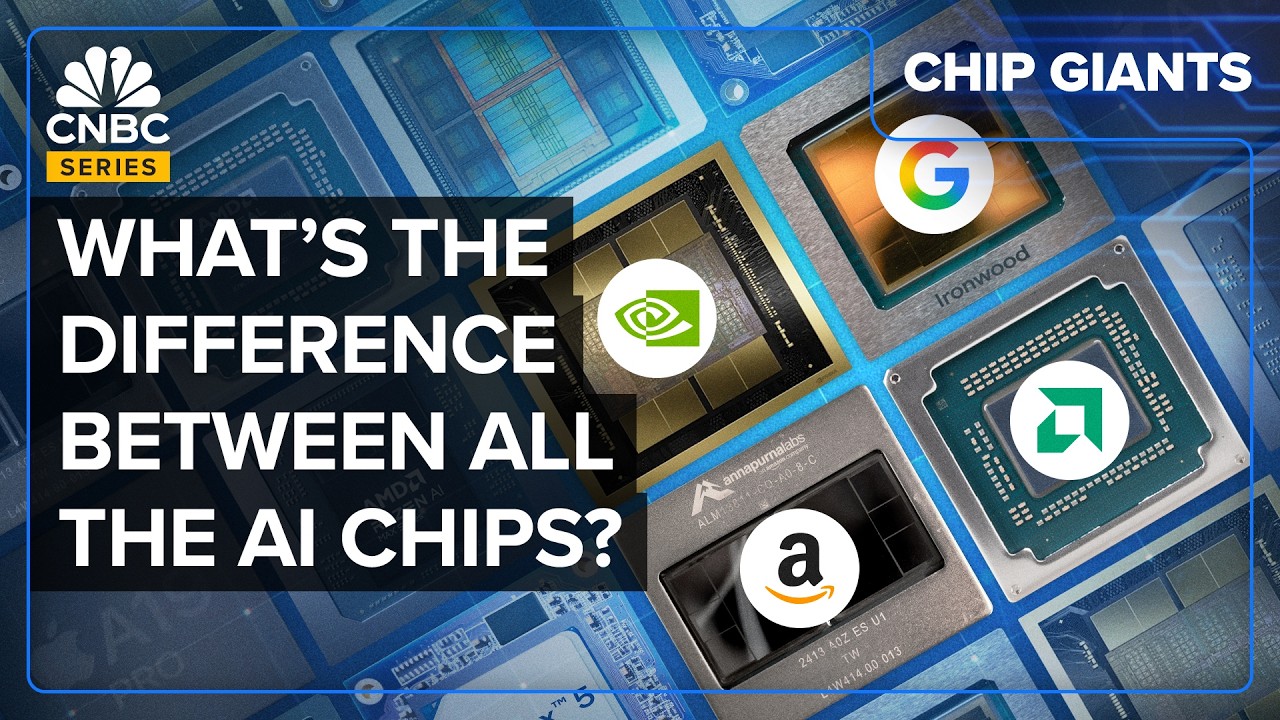
Summary
Nvidia's recent announcement to produce AI chips for laptops marks a significant pivot from its traditional focus on data centers. This move positions the company to compete in a burgeoning market, where demand for portable AI capabilities is skyrocketing. With competitors like **AMD** and **Intel** already in the fray, Nvidia's entry could reshape the dynamics of AI hardware. As the laptop market increasingly embraces AI functionalities, the implications for consumers and developers alike are profound.
Key Takeaways
- Nvidia is entering the laptop AI chip market, shifting from its data center focus.
- Competitors like Intel and AMD are already established in this space.
- The demand for AI capabilities in personal computing is on the rise.
- Nvidia's reputation in AI could give it a competitive edge.
- The success of this move is uncertain and depends on consumer adoption.
Balanced Perspective
Nvidia's decision to enter the laptop AI chip market reflects a strategic response to evolving consumer demands and competitive pressures. The company has historically focused on data centers, but the rise of AI applications in personal computing necessitates this shift. While the exact specifications and pricing of these new chips remain unclear, Nvidia's established reputation in the AI space positions it as a formidable player in this new arena.
Optimistic View
Nvidia's foray into laptop AI chips could democratize access to advanced AI technology, allowing developers and consumers to harness powerful capabilities on-the-go. This shift aligns with the growing trend of **edge computing**, where processing power is increasingly localized. By enabling laptops to handle AI tasks, Nvidia could drive innovation in applications ranging from **machine learning** to real-time data analysis, enhancing productivity and creativity in various fields.
Critical View
Despite Nvidia's strong brand, entering the laptop AI chip market poses significant risks. The competition is fierce, with established players like **Intel** and **AMD** already offering solutions. Additionally, the market for laptop AI chips is still nascent, raising questions about consumer demand and profitability. Nvidia's shift could also dilute its focus on data centers, potentially impacting its core business as it navigates this new territory.
Source
Originally reported by Financial Times