
Summary
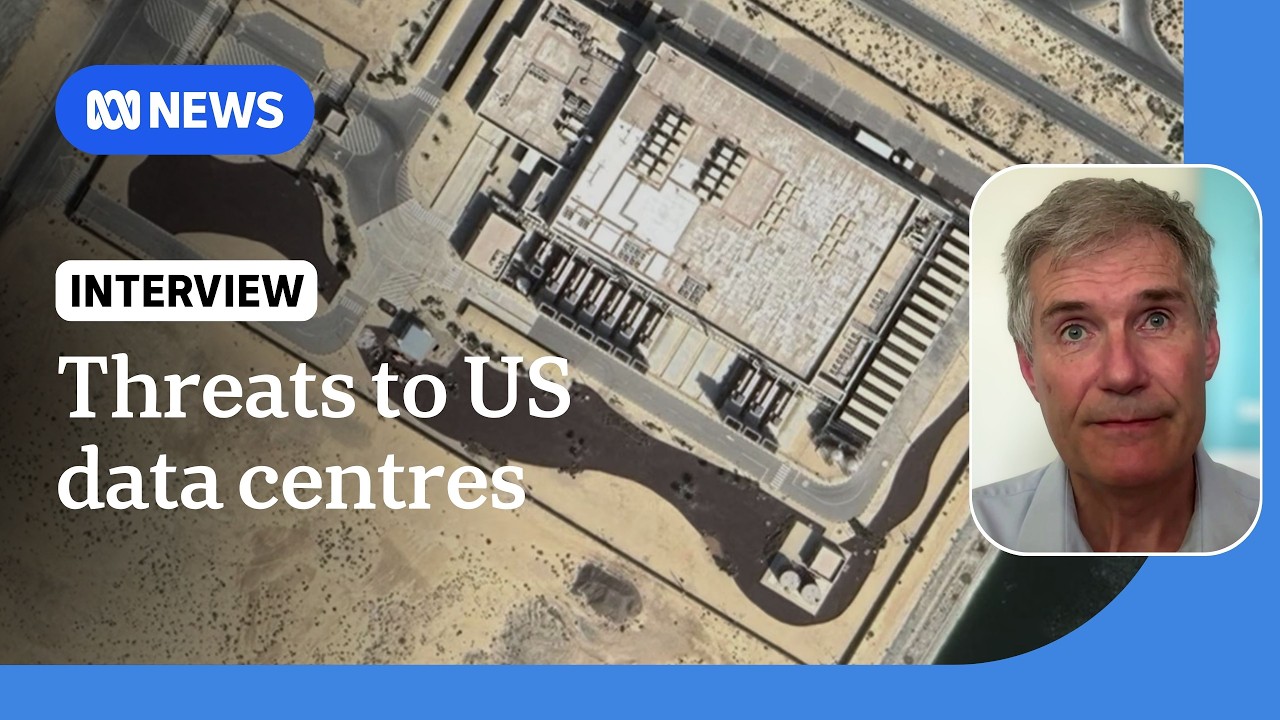
On March 31, 2026, Iran's **Islamic Revolutionary Guard Corps (IRGC)** announced plans to target major **U.S. technology companies** such as **Apple**, **Microsoft**, **Google**, **HP**, **Meta**, and **Tesla** across the Middle East. This declaration signals a potential escalation in cyber warfare and geopolitical tensions, as Iran seeks to assert its influence in a region dominated by American tech. The IRGC's move raises questions about the security of U.S. interests and the broader implications for international relations in the tech sector. As the IRGC positions itself against these tech giants, the implications could ripple through global markets and cybersecurity frameworks. This situation is not just about corporate interests; it's a clash of ideologies and power dynamics that could redefine the tech landscape in the Middle East and beyond.
Key Takeaways
- Iran's IRGC is targeting major U.S. tech companies, signaling a new phase in cyber warfare.
- The announcement includes companies like Apple, Microsoft, and Tesla, raising security concerns.
- Responses from U.S. tech firms and the government remain uncertain but are crucial to monitor.
- The situation reflects broader geopolitical tensions between the U.S. and Iran.
- Local economies in the Middle East may be impacted by these escalating tensions.
Balanced Perspective
Factually, the IRGC's statement reflects a growing trend of state-sponsored cyber threats targeting foreign companies. The announcement is part of a broader narrative where nations leverage technology as a means of exerting influence and power. While the IRGC's intentions are clear, the actual impact on U.S. companies remains to be seen, as many factors, including local government responses and international relations, will play a significant role in shaping the outcome.
Optimistic View
From a hopeful standpoint, some may argue that the IRGC's announcement could galvanize U.S. tech companies to enhance their security measures and foster stronger partnerships with local governments. This could lead to increased investment in cybersecurity infrastructure and innovation in the region. Furthermore, it may prompt a more robust dialogue about digital sovereignty and the role of technology in national security, potentially benefiting local economies and tech ecosystems in the Middle East.
Critical View
On a more concerning note, the IRGC's targeting of U.S. tech firms could escalate tensions and lead to retaliatory measures from the United States. This could result in a cycle of cyberattacks and counterattacks, destabilizing the region further. Additionally, the targeting of these companies may undermine trust in technology and foreign investment in the Middle East, potentially harming local economies and innovation. The risks of miscalculation in this high-stakes environment cannot be overlooked.
Source
Originally reported by The Hill